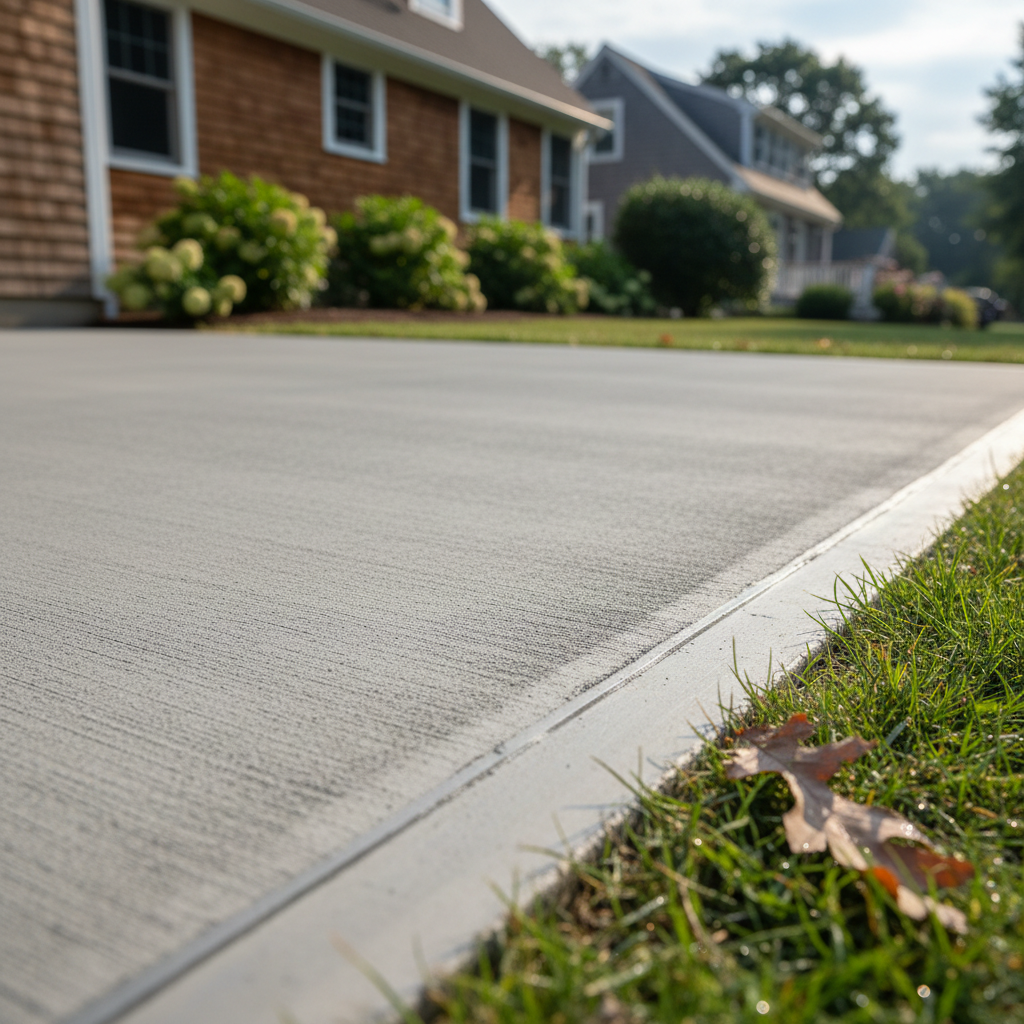
Alright, let's talk concrete flatwork. I've been pouring and fixing concrete around Pawtucket for years, and I hear the same questions pop up again and again. It makes sense, right? You want to make sure you're getting things done right, and concrete's a big investment for your home. So, I figured I'd put together some straight answers to the stuff you're probably wondering about.
What's the best time of year to pour new concrete in Pawtucket?
This is a big one, especially with our New England weather. You *can* pour concrete pretty much year-round if you know what you're doing, but for residential flatwork like driveways or patios, you really want to aim for spring, summer, or early fall. The sweet spot is when temperatures are consistently above 40°F (around 45-50°F is even better) and not scorching hot. Extreme heat makes the concrete cure too fast, which can lead to cracking. Extreme cold means you need special additives, insulated blankets, and a whole lot more fuss – which, let's be honest, adds to the cost and complexity. Here in Pawtucket, once those May flowers are out and the frost risk is low, that's usually a good sign we're in the clear until about late October. We've got pretty heavy clay soils in some parts of town, especially closer to the river, so you want to make sure the ground isn't saturated and frozen when you're starting a project.
How long does new concrete take to cure, and when can I use it?
Okay, curing is super important, and it's not the same as just drying. Concrete gains strength over time through a chemical reaction. It'll feel hard to the touch pretty quickly, usually within 24-48 hours. But don't go parking your truck on it then! For light foot traffic, you can usually walk on it after 24-48 hours. For vehicles, you really need to wait at least 7 days, and for heavy vehicles or full strength, you're looking at 28 days. That 28-day mark is when concrete typically reaches about 90% of its designed strength. Patience is a virtue here; rushing it can cause damage that's a real headache to fix later.
Why does concrete crack, and can you prevent it?
Cracks are almost inevitable with concrete; it's just the nature of the material. Concrete shrinks as it dries and cures, and it expands and contracts with temperature changes. Think of it like a big, rigid slab that's always trying to move. The goal isn't necessarily to prevent *all* cracks, but to control *where* they happen. That's where control joints come in. We cut these grooves into the fresh concrete, usually about a quarter of the slab's thickness. These joints create weakened planes, so when the concrete inevitably cracks due to stress, it cracks neatly along those lines instead of randomly across your beautiful new patio. Proper sub-grade preparation, the correct water-to-cement ratio, and good curing practices also play a huge role in minimizing unwanted cracks. If someone tells you they can guarantee zero cracks, they're not being honest with you.
What's the deal with sealing concrete? Do I really need to do it?
Yes, you absolutely should seal your concrete, especially here in Rhode Island. Sealing is like putting a protective layer on your concrete. It helps protect against moisture penetration, which is a big deal with our freeze-thaw cycles. Water gets into the pores, freezes, expands, and then 'pops' off little pieces of concrete, leading to spalling or pitting. Sealers also help resist stains from oil, grease, de-icing salts, and even UV damage from the sun. You should typically seal new concrete after it's fully cured (that 28-day mark) and then reapply every 2-5 years depending on the sealer type and how much abuse the concrete takes. It's a small investment that makes a huge difference in the longevity and look of your concrete.
Can you pour new concrete over old concrete?
Sometimes, but usually it's not the best long-term solution. Pouring a thin layer (an overlay) over existing concrete can work for cosmetic fixes if the old slab is in really good shape – no major cracks, heaving, or structural issues. But if the underlying concrete is severely damaged, cracked, or unstable, putting new concrete on top is just putting a band-aid on a bigger problem. The old cracks will almost certainly reflect through the new layer eventually. For driveways or anything structural, I almost always recommend tearing out the old and starting fresh. It's more work upfront, but it saves you headaches and money down the road. You want a solid foundation, literally, for your new flatwork.
How do I maintain my concrete flatwork once it's done?
Maintaining concrete isn't rocket science, but a little effort goes a long way. First, keep it clean. Sweep off debris regularly, and wash it down with a hose and a mild detergent if it gets dirty. Avoid harsh chemicals or pressure washers at too high a setting, as they can damage the surface or strip the sealer. As I mentioned, resealing every few years is crucial. In winter, be careful with de-icing salts. Calcium chloride-based products are generally better than rock salt (sodium chloride), which can be really hard on concrete. Shovel snow promptly to reduce the amount of time moisture sits on the surface. If you see small cracks developing, you can often fill them with a good quality caulk specifically designed for concrete to prevent water intrusion. Regular inspections can catch small issues before they become big problems.
Look, concrete flatwork done right should last you decades. If you've got more questions or you're thinking about a project, don't hesitate to reach out to us at Pawtucket Concrete & Masonry. We're always happy to talk through your options and make sure you get a durable, good-looking job.