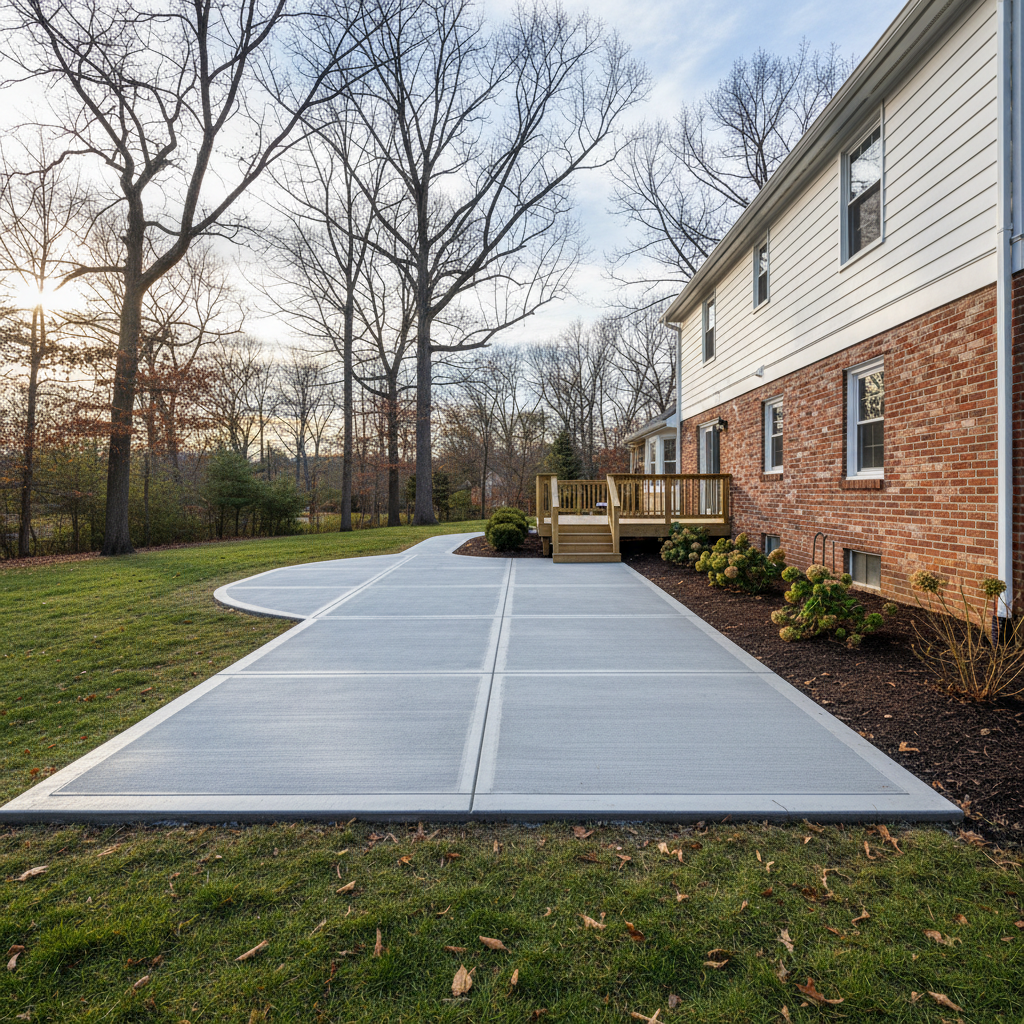
You want a new concrete driveway, patio, or walkway, and you're probably wondering when the best time to get it done is. It's not just about when you're ready; the weather here in Pawtucket, RI, has a massive say in how well that concrete cures and how long it'll last. Trust me, I've seen plenty of jobs go sideways because folks didn't respect the climate.
When's the Right Time to Pour Concrete in Pawtucket?
For us around here, spring and fall are usually your best bets. We're looking for that sweet spot where temperatures are consistently above freezing but not scorching hot. Think 50 to 70 degrees Fahrenheit. Why? Concrete needs to cure properly, and that's a chemical process that's very sensitive to temperature.
- Spring (Late April to Early June): This is often ideal. The ground has thawed, and we usually get mild days and cool nights. It gives the concrete time to gain strength without drying out too fast or freezing.
- Fall (September to Mid-October): Another great window. The summer heat has passed, and we're typically still clear of hard freezes. You just have to watch those overnight lows and make sure no unexpected cold snaps are coming.
Summer can work, but it's trickier. If it's too hot, especially with our humid Pawtucket summers, the concrete can dry out too quickly. That leads to cracking and a weaker slab. We can take precautions like misting the surface or using curing compounds, but it's definitely more of a challenge. Winter? Forget about it for pouring new concrete. The ground's frozen, and pouring concrete in freezing temperatures is just asking for trouble. It won't cure correctly, and you'll end up with a weak, spalling mess.
What Weather Conditions Affect Concrete Work?
It's not just the temperature; a few other things can mess with a pour:
- Rain: A light drizzle during a pour isn't the end of the world, but heavy rain can ruin a fresh slab. It adds too much water to the mix, weakening it and washing away the cement paste. We always check the forecast religiously before scheduling.
- Wind: Believe it or not, strong winds can be a problem. They accelerate surface drying, which can lead to plastic shrinkage cracking. We might need to use windbreaks or apply curing agents sooner.
- Humidity: High humidity can slow down drying, which isn't always bad, but combined with high temperatures, it can make finishing tough. Low humidity, especially with wind, speeds things up too much.
The ground itself matters too. If we've had a lot of rain, the sub-base might be saturated, which isn't good for stability. We need a solid, well-drained foundation for your concrete to last.
Protecting Your Concrete Investment Year-Round
Once your new concrete from Pawtucket Concrete & Masonry is in and cured, your job isn't over. You've got to protect that investment, especially with our New England weather cycles.
- Sealing is Key: This is probably the most important thing you can do. A good quality penetrating sealer should be applied within the first year and then every 2-5 years after that, depending on the product and traffic. It protects against moisture penetration, freeze-thaw cycles, and staining.
- Watch the Salt: De-icing salts, especially those containing ammonium nitrate or ammonium sulfate, are brutal on concrete. They cause spalling and deterioration. If you need to de-ice, look for products labeled